How Rodents Get Into Houston Homes
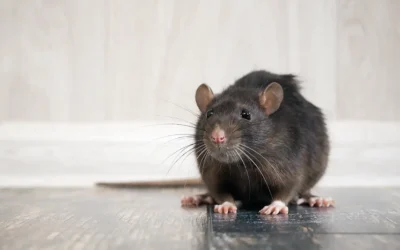
When Houston nights finally cool off, rats and mice start looking for somewhere warm to spend the winter. Usually that’s your attic, your walls, or your garage. Most of the time they get in through small gaps you’d never notice, like the space around a pipe or a worn door sweep. A trained eye can spot those openings before rodents settle in, and that’s what our free inspection is for.
Key Takeaways
- Rodents move indoors when Houston temperatures drop, usually from late October through February.
- A mouse can squeeze through a gap the size of a dime.
- Droppings, gnaw marks, and scratching at night are the most common signs they’re already inside.
- Entry points are often hidden in attics, rooflines, and crawlspaces, the places homeowners rarely see.
- A free inspection from Termite Watkins Pest checks your home from foundation to roofline and gives you a clear plan.
Why Rodents Move In This Time of Year
Rodents aren’t the only pests on the move this time of year. Fire ants and spiders stay active well into the fall too. Read more in The Houston Pests You Can’t Ignore This Fall: Fire Ants & Spiders.
If a Dime Fits, a Mouse Can Too
It sounds like a myth, but it’s true. Mice have flexible bodies that let them squeeze through openings about the size of a dime, roughly ¼ inch. Rats need a little more room, about the size of a quarter. That’s why entry points are so easy to miss, and why it takes a trained eye to find them all.
Signs You May Already Have Rodents
- Scratching or scurrying in the walls, attic, or ceiling at night
- Droppings in the pantry, under sinks, or along baseboards
- Gnaw marks on food boxes, wood, or baseboards
- Shredded insulation, paper, or fabric (that’s nesting material)
- Chewed wires, which are a real fire risk
- Pet food or birdseed that keeps disappearing
If you see any of these, it’s time to call in an expert.
What Our Experts Look For During an Inspection
- Rooflines, soffits, and attic vents: Loose or damaged vents, gaps along the eaves, and rotted wood around the fascia. These are some of the most common entry points, and the hardest to see from the ground.
- Where pipes and wires enter: Gaps around plumbing, AC lines, and cables where they come through the walls.
- Doors and garage seals: Worn door sweeps, daylight under doors, and garage doors that don’t sit flush.
- Weep holes: The small openings along the bottom of brick walls, which rodents can use if they’re uncovered.
- Crawlspaces: Especially in older pier-and-beam homes in the Heights, Garden Oaks, and Timbergrove.
- Signs of activity: Droppings, gnaw marks, rub marks, and nesting, which tell us how far things have gone and where rodents are traveling.
Then we show you what we found and walk you through it. You’ll get a clear plan and a quote before any work starts, with no pressure.
How We Seal Entry Points
Rodents can chew through soft materials, so our team seals entry points with materials they can’t get through: steel wool, hardware cloth, and metal-fiber caulk. Where wood around the fascia, eaves, or soffits has rotted, we replace it so there’s nothing soft left to chew.
What Happens After the Inspection
- Rodent Control removes the rodents already inside using bait stations and traps. We service the stations every two weeks, monthly, or quarterly, depending on how much activity we see.
- Rodent Exclusion seals the entry points we find, covers attic vents with hardware cloth, and replaces rotted wood, so rodents have a much harder time getting back in.
Frequently Asked Questions
What happens after the free inspection?
We show you what we found and recommend a plan, which may include Rodent Control, Rodent Exclusion, or both. You’ll get a clear quote before any work starts, with no pressure.